
Home » Posts tagged 'Nature'
Tag Archives: Nature
Ely Prize Speech
By Dylan Capodilupo, IV Form
Editor’s Note: The Ely Prize in Public Speaking, originally given by a member of the Class of 1892 in memory of his mother, is presented to the student who gave the best speech in the Global Seminar Public Speaking Competition.
Imagine waking up to the crisp air of a winter morning in the mountains, excited to see how much snow had fallen the night before, only to find rain pouring down instead of snow. Or picture spending your summer days on the shores of a beautiful coastal town, only to watch as the sea ocean slowly envelops the land you once cherished, and threatens the houses of its residents.
Climate change is a reality reshaping my childhood memories’ landscapes. Last year as summer arrived, I spent my summer in Chatham, just like every other summer I could remember, only to find it under siege by the relentless forces of erosion. Monomoy and Morris Island, two key pieces of land in Chatham are now succumbing to the sea. Homes along the coastline are reminders of nature’s power, standing inches from the water, and being threatened by the advance of the tide. According to the U.S. Fish and Wildlife Service, erosion has taken between 30 and 45 feet of land every year from Monomoy and Morris island. Even navigating the waters of Stage Harbor became hazardous, as low tides started to expose the impact of winter storms, altering the very channels my family once sailed through safely. More often then not I found myself getting beached on random shoals, damaging my family’s boat and creating unsafe situations. How does climate change cause this, you may ask? More frequent storms and higher seas from unusual temperatures create more winds, waves, and floods, leading to coastal erosion.
Prior to witnessing these changes, I was among those who doubted the urgency of climate change. It seemed like a distant concern, something that wouldn’t affect me in my lifetime. However, seeing the direct impact on a place I hold dear shattered my denial. Climate change is not just a problem for future generations—it’s happening now, and it’s happening in the places we call home.
In the winter, Vermont is my favorite place to be, a haven where memories are made with my closest friends on the trails of Mount Snow, Killington, and Stowe. However, this past winter something was once again—off. Instead of snow, rain poured over half the ski trips I went on, not only shortening the ski season, but leaving bare patches on trails, unfavorable conditions, and dangerous elements like exposed tree stumps and rocks. A study from the University of Vermont reveals winter temperatures have increased 2.5 times faster than our average annual temperatures, and the number of days in Vermont without freezing has jumped by three weeks or 21 days since 1960. This firsthand experience forced me to confront the reality of rising temperatures and their effects on winter sports in the future.
Some may argue that these changes are simply part of natural cycles, not necessarily caused by human activity. For example, this winter was part of an El Niño weather pattern, meaning that the Pacific jet stream moves south and spreads further east, causing warmer and drier conditions in the North. While natural processes certainly can play a role, the overwhelming scientific consensus points to human-caused climate change as the reason behind these disruptions. However, we can encourage ourselves to take action. Believe me, though, I get it; Many of you do not care about climate change and a few might not even believe in it. But just look at the damage that has been done in 1 year alone. These places are all at risk, and it’s up to us to protect them. Whether it’s advocating for renewable energy, reducing our carbon footprint, or supporting New England climate change activists, each of us has a role to play. Together, we can build a more sustainable future for ourselves —a world where snow in winter and beaches in summer aren’t just memories of the past, but promises for the future.
Dylan Capodilupo is a IV Former. He wrote and delivered this speech in his III Form year.

En français: Madagascar & Bruxelles, Belgique
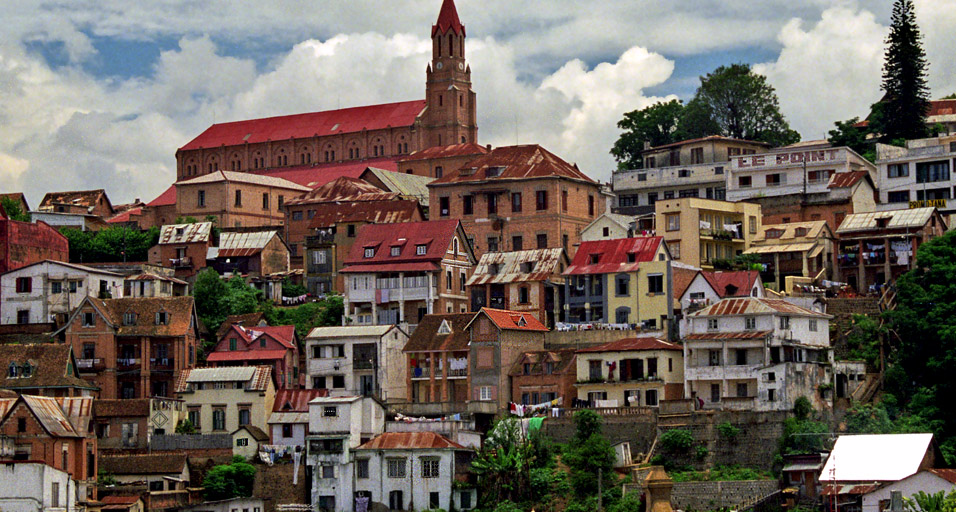 The following descriptions are written by French 2 students who engaged in a
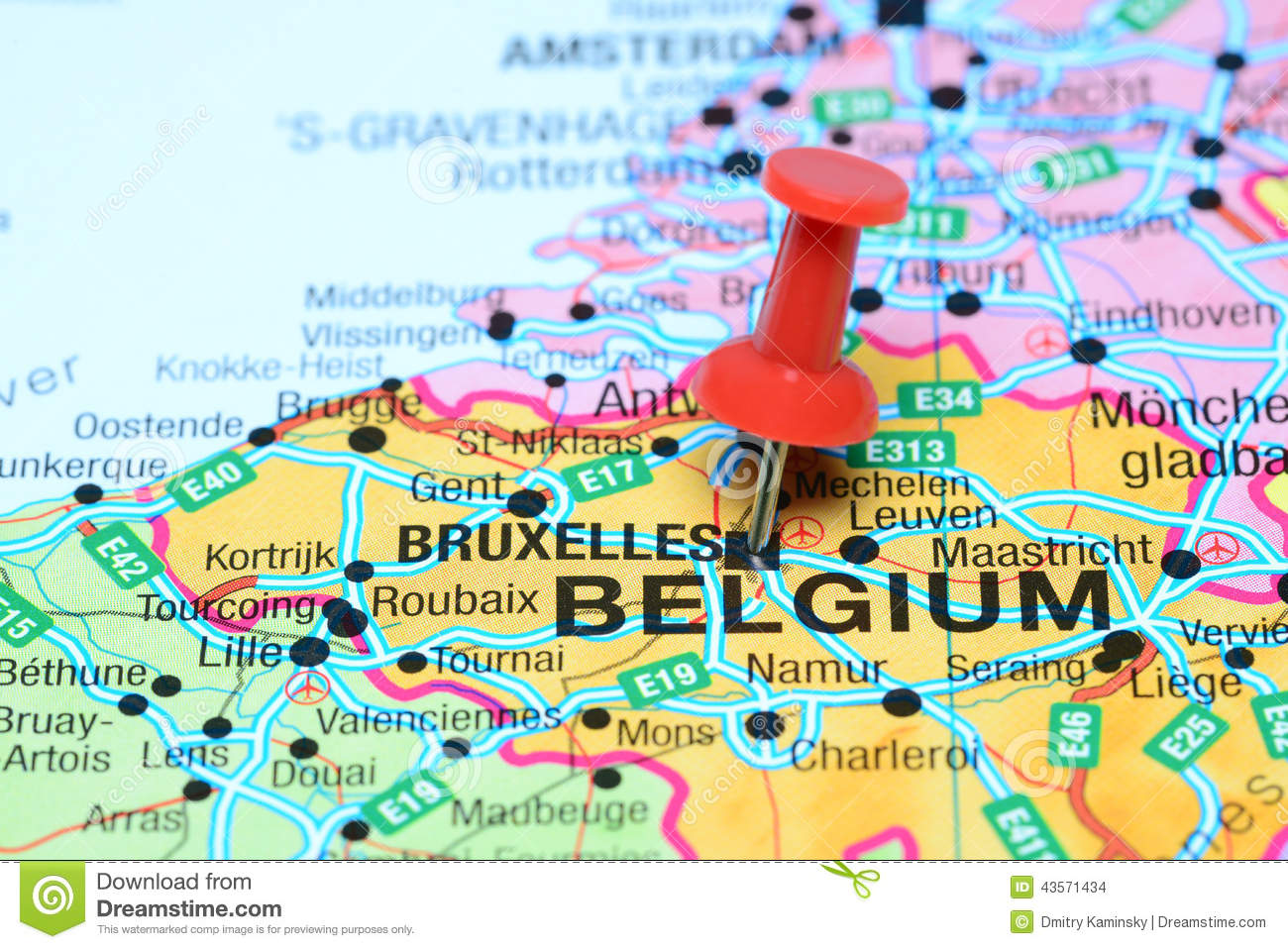 project making brochures that detailed different Francophone countries.
Want to Be More Creative? Get Immersed in Nature!
By Hans Zhou, V Form
Today’s children only spend around 20 minutes outside per day. The number of visits in both national parks and nature-based recreation has steadily declined since the 1980s. Social media and technology are taking away opportunities to go out and explore nature. The modernized life we are living now is much better than the one our ancestors had in terms of medical care and living standards, but are we missing out on the benefits and beauty nature might hold for us? A study by Strayer and University of Kansas psychologists Ruth Ann Atchley and Paul Atchley has shown that immersion in natural settings could improve creativity. The study involved 56 people: 30 men and 26 women at an average age of 28. These subjects were divided into eight different groups to participate in hiking trips without any technology from four to six days (more…)


 LEO
LEO 