
Home » 2016 (Page 9)
Yearly Archives: 2016

Outcomes in Team Based Learning in Algebra II
By Mr. Scott Dolesh, Mathematics Faculty
Outcomes in Team Based Learning in Algebra II
My project compares the outcomes of students in Team Based Learning (TBL) Algebra II courses versus students in traditional teacher directed Algebra II courses. I had one Algebra II course that I used the TBL approach, and I had one Algebra II course that I used a traditional teacher directed approach. I also had a colleague who had two Algebra II courses that she taught using the TBL approach, and another colleague who had one Algebra II course that she taught using a traditional teacher directed approach. I compared the outcomes on our two common assessments that we give in Algebra 2: the first being the midterm exam and the second being the final exam. (more…)

Comic Books and The Profound Effect of Pleasant Surprises
By Sean Kim, VI Form
Comic Books and The Profound Effect of Pleasant Surprises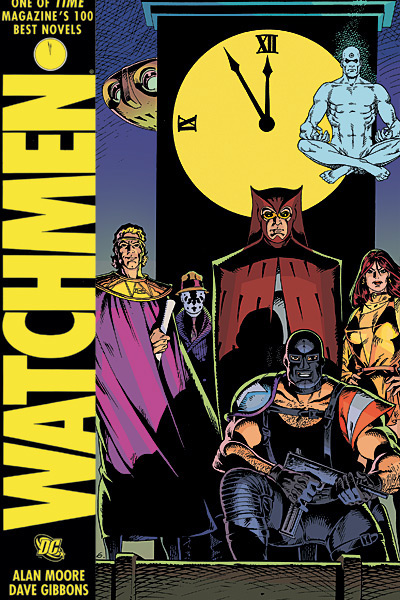
As I was signing up for my VI Form English elective course, I knew exactly which class I wanted to take: the “comic book class.” Erroneously assuming that I would simply be reading comic books and answering shallow questions, I made a fool out of myself by hoping that the class would boost my GPA. After all, it was a senior elective. However, from Hamlet to Watchmen, the material of the class prompted us to explore thoroughly what it meant to be heroic or anti-heroic in both literature and contemporary society. Most of the class time was spent discussing heroic and anti-heroic qualities of characters. Simply put, the class was not what I initially expected it to be. It was so much more profound.
U.S. Historical “I am” Poems
By Samantha Sarafin, John Hart, George Littlefield, and Ginny Walsh, V Form
U.S. Historical “I am” Poems
Each of our United States History courses revolves around eight major themes prevalent throughout history. One of those themes is the question of “Who is an American” at any given time in the nation’s history. In keeping with our work and also trying to connect what we do inside our classroom to the broader St. Mark’s community and world at large, each class took their Community and Equity Day “I am” poems and looked at them from a historical angle. Each student was asked to look at an “I am” poem from the perspective of a figure from history. Some students were asked to be someone as specific as Alexander Hamilton, while others were (more…)

The Syrian Refugee Crisis: Are We Doing Anything?
By Desmond Goodwin, VI Form
The Syrian Refugee Crisis: Are We Doing Anything?
 For centuries, the United States of America has promised hope for millions of people seeking freedom and safety. Our country’s rich history began with families facing perilous journeys in order to escape from religious persecution. Right now, as the United States faces the disastrous effects of the Syrian Refugee Crisis, remembering our history has never been more important. As thousands of people flee from their war torn homes, they desperately search for shelter. For refuge. Is the United States one of those places? (more…)

A Swift Introduction to Programming with Swift
By Colin Capenito, III Form
A Swift Introduction to Programming with Swift

Apple announcing Swift
A few months ago, the Computer Science 1 class began to learn and work with a programming language called “Swift”. Swift is a programming language, used to create apps for iOS and OS X, the operating systems that run devices such as iPhones, iPads, and Macs. Swift is a relatively new language, only announced by Apple around 19 months ago. When it was announced, many were surprised: new programming languages are not created all that often. Developers were desperate to get their hands on Apple’s new language, curious to see what it could and couldn’t do. Since Swift was released, it has grown into a popular language for anyone looking to create apps for the App Store. (more…)

The Quest: An Original Composition for a Life Philosophy
By Helena Lin, IV Form
The Quest: An Original Composition for a Life Philosophy
At the end of my fall Roman Religion and Philosophy class, Dr Harwood assigned us a free-swim  final project that asked for a creative presentation, in any desired form, of something we found interesting and meaningful in what we learned in class. After several conferences with Dr Harwood, I decided to produce my first music composition, which aims to demonstrate my understanding of Epicureanism and Stoicism, the two Roman philosophies that we studied. (Click right image!) (more…)

Northern Pacific Seastar Asterias amurensis & My Zone as an Artist
By Mei-Mei Arms, III Form
Northern Pacific Seastar Asterias amurensis & My Zone as an Artist
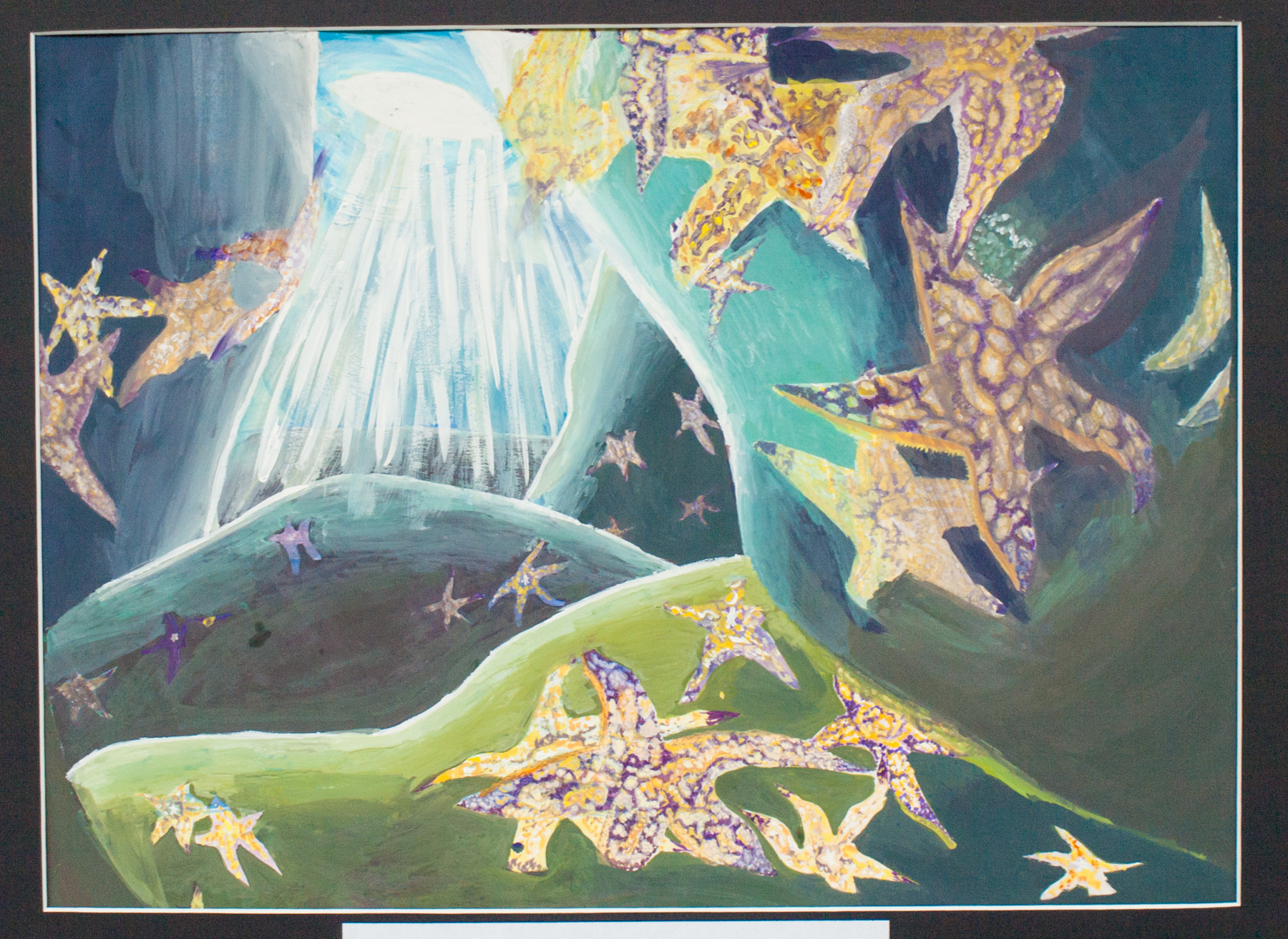
(See larger image below)
This seastar originated in Japan, Korea, China and Russia, about 20-40 metres deep off the coasts of these countries. It was introduced by the ballast waters of cargo ships as they returned from these countries and used ocean water to replace the weight of cargo. They can reproduce without the aid of another sea star and can multiply in the thousands. Due their rough exterior, the Northern Pacific Seastar does not have many natural enemies. Their larvae are so small that we cannot find a way to capture them and nothing appears to eat them at that stage in their life cycle. The Sea stars eat crustaceans and due to their numerous population, when they enter a new area, their numbers can wipe out the whole population of crustaceans. They can break off limbs and these limbs can grow in to new Sea Stars, but this process does take years. (more…)
The Art of Calligraphy
By Sean Kim, VI Form
The Art of Calligraphy
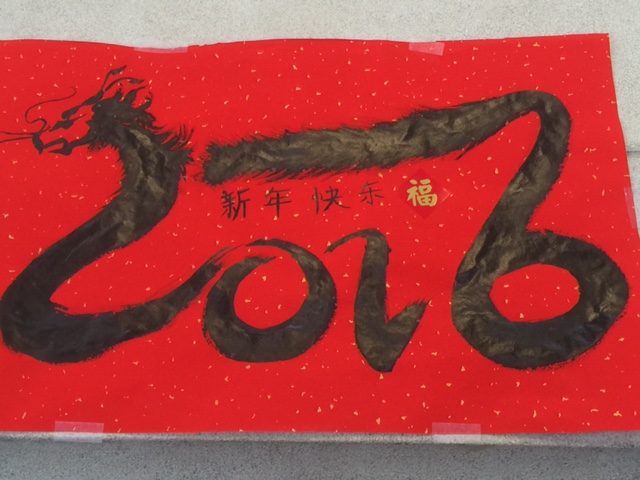 As the Western Hemisphere settles down from all the hubbub of the new year, many nations in East Asia and their diaspora communities recently celebrated their new year: the Lunar New Year. Even with all the “westernization,” celebrating holidays based on the lunar calendar and tradition that come with the holidays have stayed an integral part of communities throughout East Asia and beyond. One of the traditions of the holidays is calligraphy. Calligraphy, which began as a crude pictogram in Ancient China, has been considered a work of art for millennia. Just as art did, calligraphy in East Asia developed and evolved, spawning numerous styles of writing that came and went as centuries passed. (more…)


 LEO
LEO 