
Home » Posts tagged 'Learning and the Brain' (Page 5)
Tag Archives: Learning and the Brain

The Threats Facing Whales

Flipsnacking: Nourishing Food for Thought or Junk Food for the Brain?
By Dr. Heather Harwood, Classics Department Head
Let me begin with a disclaimer: I am not a Luddite. I genuinely like technology. I own a smart phone, a laptop, and an ipad. I have both a Twitter and a Facebook account. I read the New York Times online and love that I can watch the videos that sometimes accompany the stories. I have a Netflix account and I’d be lost without my GPS (literally); I even sometimes Skype with my parents. As an educator, I was an early proponent of using technology to facilitate student learning. In fact, despite its stuffy, antiquated reputation, Classics was one of the first of the Humanities’ disciplines to jump on the technology train, and I have been using it effectively in my classroom for (more…)
Schooling, Inquiry, and the Promise of the “St. Mark’s Saturdays” Program
By Nat Waters, Associate Dean of Academics
Schooling, Inquiry, and the Promise of the “St. Mark’s Saturdays” Program
One of the more transformative developments in my teaching practice in recent years has been the addition in each of my courses of essential questions — formulations that, in the words of Understanding by Design author Grant Wiggins, inspire, “deep thought, lively discussion, sustained inquiry, and new understanding as well as more questions.”
In that same spirit, I’d like to offer an essential question for this LEO piece on the exciting new developments in the St. Mark’s Saturdays program. Begin by thinking of your own high school experience, whether that is as immediate as May 2015, or farther removed than you would care to admit, even in close company:
“Which of the many academic lessons that comprise your high school experience are most memorable, most enduring, and most valuable to life and work in the ‘real world’?” (more…)

Falling Forward: Defining “Innovation”
By Jennifer Vermillion, Director of The Center for Innovation and Learning
Failing Forward: “Defining Innovation”
How do you know if something is innovative? If I asked you to name three things that exemplify innovation, what comes to mind? Innovation is certainly a prevalent topic these days. Universities have started offering degrees in innovation. A quick Amazon search for the term yields 1,158 books about innovation published in the last ninety days alone. Here at St. Mark’s, we have an entire center dedicated to innovation in teaching and learning. Innovation is essential for addressing complex social, environmental and economic challenges, but without careful reflection and discussion, the term can feel vague and even trendy. So how do we define and value innovation at St. Mark’s? (more…)

Donald Trump Is a Dinosaur–and You Can Be One, Too!
By James Wallace, Director of Music
“For which century are you educating your students?”
So began a faculty workshop with guest lecturer Charles Fadel, co-author of 21st Century Skills – Learning for Life in our Times[1] back in December. According to Fadel, economists now commonly say that due to advances in technology, most of the jobs current high school students will hold 15 years from now do not yet exist. How does a school prepare its students for a workplace that hasn’t yet come into existence? (more…)
Doodling and the Mind: Drawing Your Attention
By Samantha Wilson, English Faculty
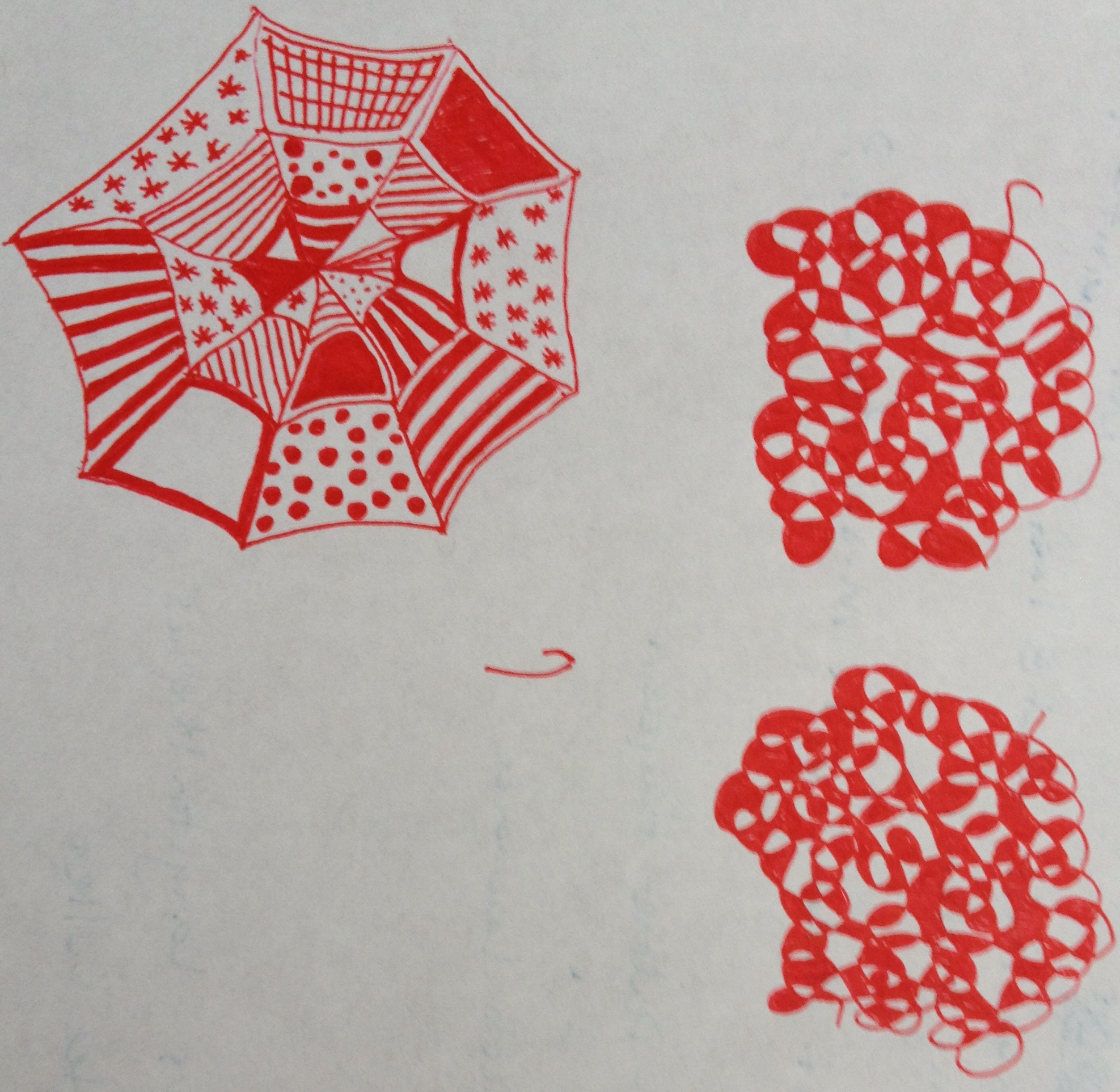 I’ve been a doodler as long as I can remember, and for just as long, I’ve been accused of not paying attention. I even wrote a piece about it for my elementary school newsletter entitled “It’s OK to Doodle” or something to that effect. Basically I’ve been defending doodling and explaining that I AM listening and paying attention for a long time now. I’ve been claiming for decades that this type of multitasking is not an indication that the mind has wandered off topic, and there is finally strong evidence to support my position. (more…)


 LEO
LEO 